Sitting low
A persistent lean can involve an air leak, ride-height control, spring damage or a mounting problem. Note whether the truck is loaded or empty and which side sits low; those observations help focus the inspection.
Read the answer ↗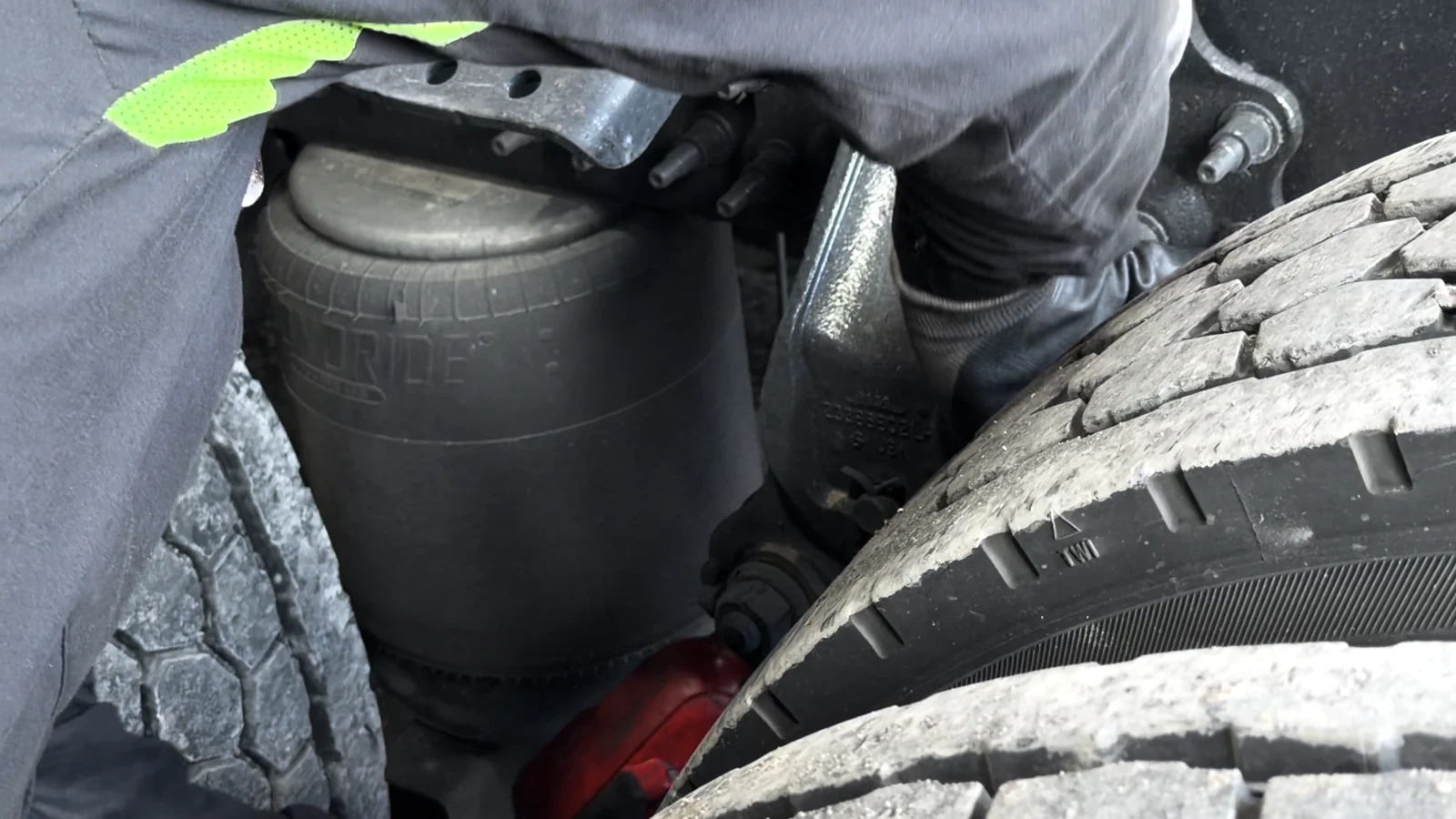
See air springs, the rear chassis and hands-on work on suspension components.
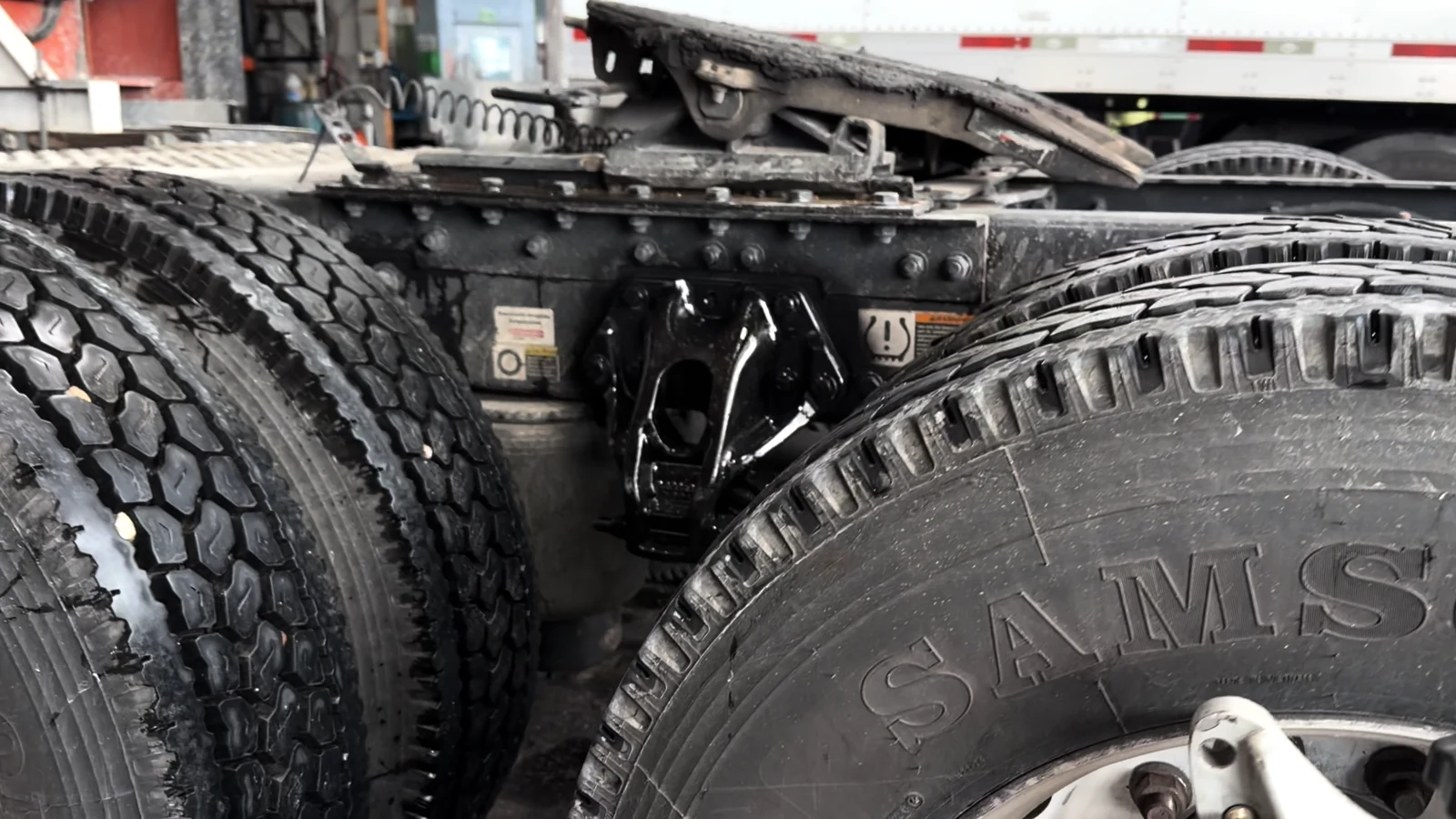
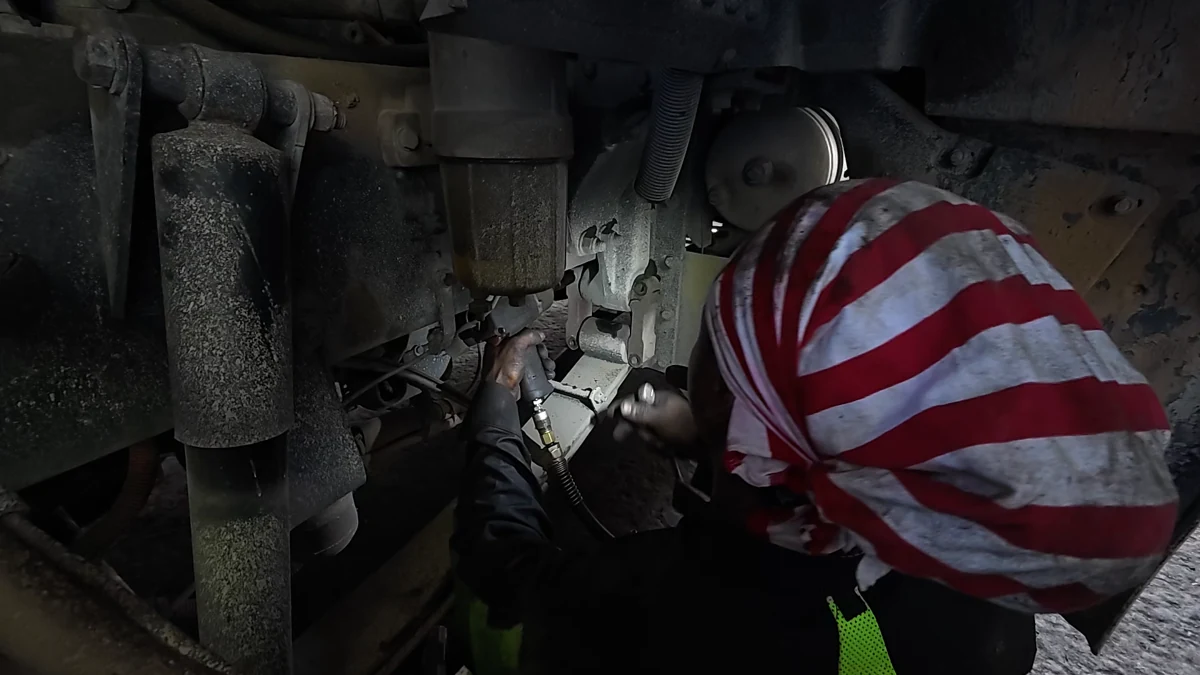
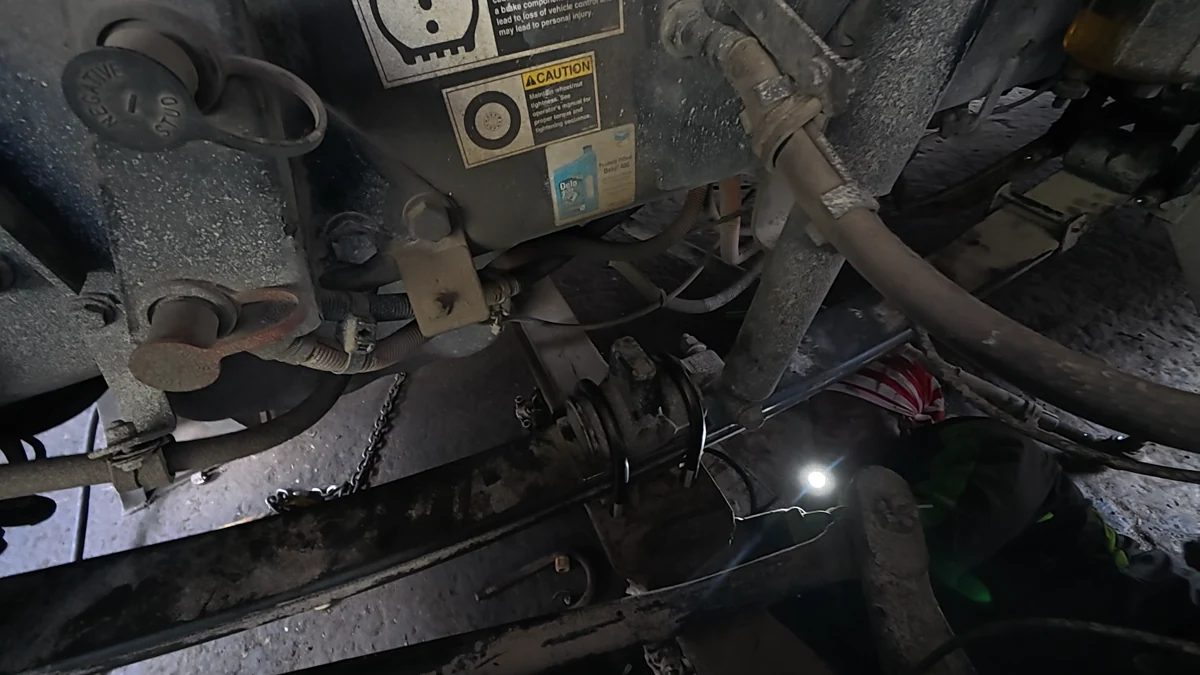
A persistent lean can involve an air leak, ride-height control, spring damage or a mounting problem. Note whether the truck is loaded or empty and which side sits low; those observations help focus the inspection.
Read the answer ↗Ask for the air spring's application, the leak findings, related fittings or lines, labor and a ride-height check. Replacing the visible bag without checking the surrounding system may leave another cause unresolved.
Read the answer ↗A measurement check is useful when a repair affects axle position, steering components or ride height. Ask which mechanical issues must be corrected first and whether final alignment readings are included in the repair scope.
Read the answer ↗
From loaded deliveries to an empty return, a suspension complaint can change with the job. Tell the Houston team when the symptom appears and what the truck is carrying.
Costs, symptoms, equipment and the next step for your truck.
Ask about your unit →The Truck Savers™ Houston is at 1362 Sheffield Blvd, Houston, TX 77015. Call 713-455-5566 or send the truck's symptoms through the form to coordinate an inspection with the team.
A persistent lean can involve an air leak, ride-height control, spring damage or a mounting problem. Note whether the truck is loaded or empty and which side sits low; those observations help focus the inspection.
Ask for the air spring's application, the leak findings, related fittings or lines, labor and a ride-height check. Replacing the visible bag without checking the surrounding system may leave another cause unresolved.
Shocks control motion, but tire pressure, loading, air-suspension height and worn mounting points also affect the ride. Describe the surface and speed where it occurs instead of buying shocks from the symptom alone.
Yes. Bushings, axle-location components and incorrect suspension geometry can affect how tires contact the road. Identify the trailer axle and tire position involved so the inspection can connect the wear pattern with its mechanical cause.
A measurement check is useful when a repair affects axle position, steering components or ride height. Ask which mechanical issues must be corrected first and whether final alignment readings are included in the repair scope.
Loose or worn bushings, torque rods, spring hardware and other chassis components can make similar noises. Note whether the knock appears during braking, acceleration or a turn. A shop inspection should locate the movement before parts are selected.
Tell the team how long it is parked, whether the parking brakes are applied and whether the suspension returns to normal height. Different systems behave differently; the air spring, lines and height-control system should be evaluated together.
They overlap in handling symptoms but involve different components. If the truck wanders or wears steer tires unevenly, ask for the steering joints and front suspension to be assessed alongside the tire and alignment measurements.
Cost depends on the failed parts, number of axles involved, access and labor. Request a written breakdown after inspection, especially if the concern involves both tractor and trailer. A single part price does not represent the complete repair.
A broken or displaced spring or severe lean warrants professional assessment before continuing. Contact the team from a safe location and describe the damage; moving the truck can add risk or damage when axle positioning is affected.
Send unit numbers, tractor and trailer details, load condition, affected axle, safe photos and recent repair records. Add the person who can approve the scope so diagnosis and authorization can be coordinated efficiently.
Share your symptoms, unit details and operating schedule with The Truck Savers™.